This paper explores the intersection of Japanese BDSM culture and the concept of pain gates, specifically through the lens of DDSC-013 and SCRUM. By examining the cultural significance of BDSM practices in Japan and the role of pain gates in these practices, this research aims to contribute to a deeper understanding of the complex dynamics between pain, pleasure, and control.
In Japan, BDSM is often viewed as a means of exploring boundaries and pushing limits, both physically and emotionally. The practice of Kinbaku, for example, emphasizes the importance of control and trust between partners, with a focus on intricate rope bondage and restraint. This cultural context has given rise to a thriving BDSM community, with many practitioners incorporating elements of Japanese culture into their practices.
The intersection of DDSC-013, SCRUM, and pain gates represents a complex and multifaceted area of study. By examining the ways in which practitioners negotiate boundaries and manage pain and pleasure, this research aims to contribute to a deeper understanding of the dynamics at play in Japanese BDSM culture.
BDSM (Bondage, Discipline, Dominance, Submission, Sadism, and Masochism) is a complex and multifaceted subculture that has gained increasing attention in recent years. In Japan, BDSM has a unique cultural context, with a rich history of influence from traditional practices such as Kinbaku (Japanese rope bondage). This paper focuses on the intersection of Japanese BDSM culture and the concept of pain gates, specifically through the lens of DDSC-013 and SCRUM.
Pain gates refer to the physiological and psychological mechanisms that govern an individual's experience of pain. In the context of BDSM, pain gates play a crucial role in the negotiation of boundaries and the management of pain and pleasure. The concept of pain gates is closely tied to the idea of "safe, sane, and consensual" (SSC) practices, which prioritize communication, consent, and safety in BDSM activities. Japanese BDSM DDSC-013 -SCRUM- Pain Gate-

In order to be eligible to make a warranty claim, you must complete the registration for warranty here: www.deckwise.com/warranty/register.html
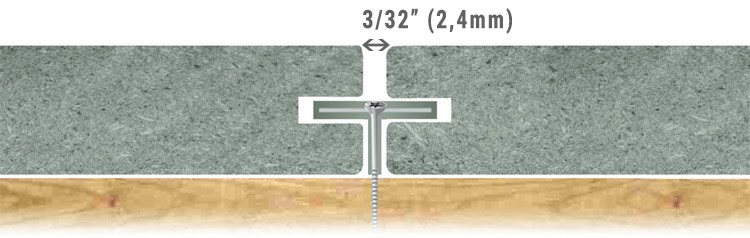
The method of 45 degree screws hold the decking tight to the joist, while allowing one side of the deck board to remain free to contract.

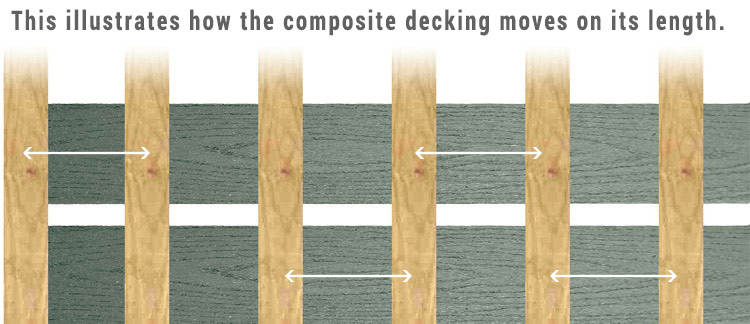
Running screws straight down with composite/PVC decking allows these materials to naturally move on their length.
| Board Thickness | Board Width |
|---|---|
| A* = Measurement Of Your Decking | B** = Measurement Of Your Decking |
| Thickness of Cut | Cutting Height | Cutting Depth |
|---|---|---|
| C = 5/32" (4mm) | D*** = (A-5/32")/2 | E = 1/2" (13mm) |
| During Installation |
|---|
| F**** = 3/32" (2,4mm) |
* If using 1-1/2" (38,1mm) or thicker material, you may need to upgrade to a longer screw option than what is typically packaged with the fastening kit. This paper explores the intersection of Japanese BDSM
** For decking 8" (20,32cm) or wider, the (A) dimension should be at least 1-1/2" (38,1mm). Using a wide plank such as this for surface decking will most likely cause cupping issues regardless of how the material is fastened if thicker material is not used.
*** This formula will create a symmetrical profile that allows you to flip and/or rotate the decking to be able to put the best side up.
**** Fastener automatically achieves correct gap spacing when boards are pushed tight during installation.
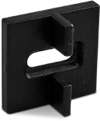
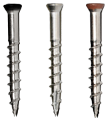
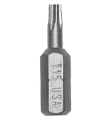
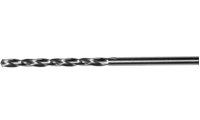
Deck Fastener Ipe Clip® Kits may be ordered in differences of 100 count (50 sq. ft.) components and 175 Complete Kit sizes (100 sq. ft.). All deck building screws may also be special ordered with diverse screw lengths, color and style. The practice of Kinbaku, for example, emphasizes the
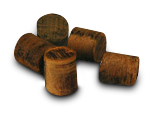
Kits come with 25 wood plugs, and 25 stainless steel #8x2" deck screws.
Sold Seperately
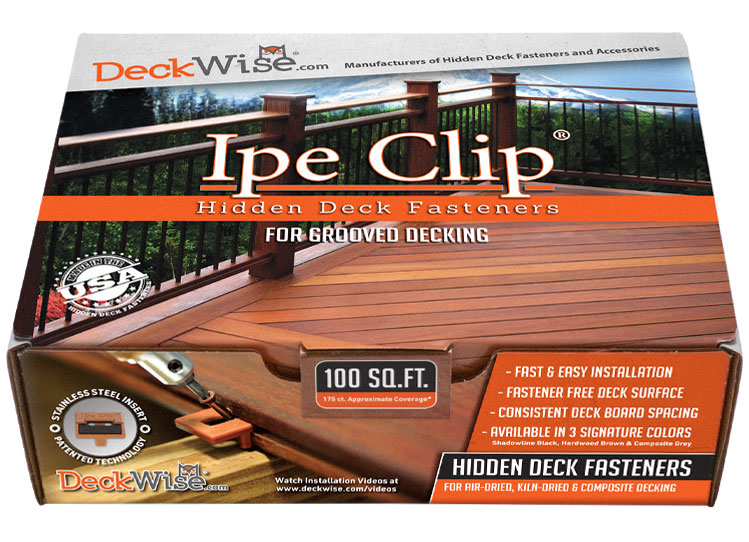
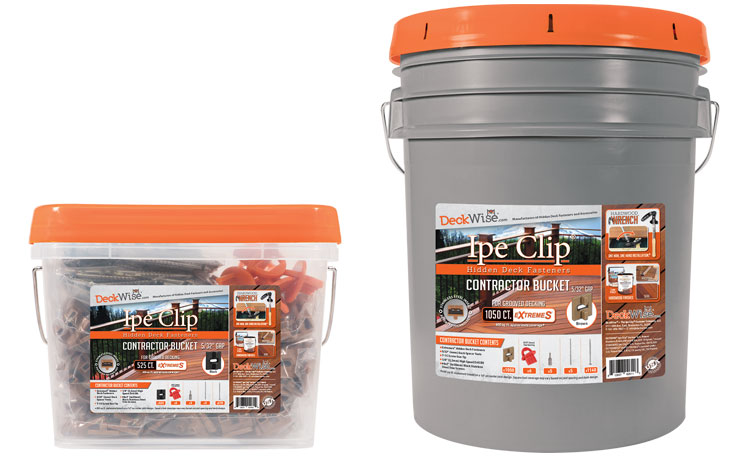
EXTREME® Ipe Clip® Series - U.S. Patent Numbers 8,464,488 and 8,806,829.
Original, “round”, STANDARD Ipe Clip® - U.S. Patent No. D470,039.
EXTREMEKD® and EXTREME4® Licensed under U.S. Patent Nos. 7,874,113 and 8,161,702 Patent.